
Panchakarma
A Complete Beginner’s Guide to Ayurvedic Detox
Not a spa trend. Not a juice cleanse. A 5,000-year-old medical system designed to reset your body from the inside out.
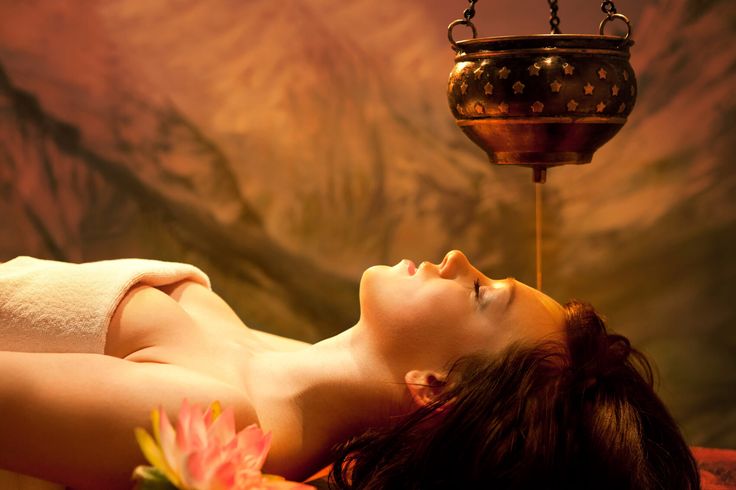
“I’ll be honest — the first time someone told me to drink ghee for a week as part of a detox, I laughed. But that’s Panchakarma for you. It doesn’t care about being trendy. It just quietly works. If you’re curious about what an Ayurvedic detox actually involves — not the Instagram version, the real one — you’re in the right place.” |
Why Detox Is Trending — And Why Panchakarma Is Different
Let’s be real — detox is having a moment. Celery juice. Activated charcoal. 72-hour water fasts. Every few months there’s a new protocol making the rounds, and every few months people try it, feel okay for a bit, then go back to feeling exactly how they felt before.
The reason most of these don’t stick isn’t willpower. It’s because they work on the surface. They clean out your gut for a few days but don’t touch the deeper tissue — the fat cells, the joints, the nervous system — where most of the real damage actually sits. That’s the gap Ayurvedic detox was designed to fill, and it’s why Panchakarma has outlasted every wellness trend of the past 5,000 years.
Panchakarma isn’t something you do on a long weekend. It’s a physician-supervised medical detox — one of the most systematically designed cleansing protocols ever developed. |
A complete Panchakarma treatment works across your digestive system, your lymphatic channels, your nervous system, and your endocrine balance — over 7 to 28 days, depending on what your body actually needs. That’s not a spa package. That’s clinical medicine with thousands of years of refinement behind it.
What Does Panchakarma Mean?
The name comes from Sanskrit. Pancha means five. Karma means actions — or in this context, therapeutic procedures. So Panchakarma literally translates to “the five actions.” These five procedures are described in detail in the Charaka Samhita, one of Ayurveda’s oldest and most respected texts, and they’ve been refined by physicians across generations.
01
Vamana
02
Virechana
03
Basti
04
Nasya
05
Raktamokshana
Now — you won’t necessarily go through all five. That’s actually one of the more reassuring things about Panchakarma therapy. A qualified Ayurvedic physician (called a Vaidya) looks at your specific constitution — your unique mix of Vata, Pitta, and Kapha — your current health issues, your digestive capacity (agni), and even the current season before deciding which procedures are right for you.
Someone with chronic migraines and Pitta dominance is going to follow a completely different protocol than someone dealing with joint stiffness and a Vata imbalance. Same system, very different treatments. That’s the point.
What Does Panchakarma Mean?
Here’s a question worth sitting with: why do so many people eat reasonably well, exercise occasionally, and still feel perpetually tired, bloated, foggy, or inflamed? Ayurveda has an answer for that, and it centres on a concept called Ama.
Ama is the Ayurvedic term for undigested waste — not just in your gut, but in your tissues. When your digestive fire (agni) is weak or inconsistent, food doesn’t metabolise cleanly. The leftover residue accumulates in the body’s channels (srotas), blocking circulation, dulling immunity, and slowly undermining every system it touches. Think of it like plaque building up in pipes. Nothing breaks down suddenly — it just gradually gets harder to function.
In practical terms, Ama in the modern body looks like this:
🔥 Inflammatory Load
Years of processed food, alcohol, refined carbs, and environmental toxins quietly overloading the liver and gut lining.
🧠 Stress Residue
Chronic cortisol elevation from work, screens, and poor sleep — the kind that disrupts digestion even when the food is clean.
💧 Lymphatic Sluggishness
Sitting for hours, low movement, and a diet with little fibre — the lymph slows down and waste doesn’t clear properly.
The telltale signs of Ama accumulation? A coated tongue every morning. Heaviness after meals. Joints that feel stiff before 10am. That afternoon crash that hits whether you slept well or not. Skin that keeps breaking out even though you’ve changed your diet. Sound familiar? Panchakarma detox works by first loosening Ama from where it’s stored, moving it toward the digestive tract, and then clearing it out — properly, completely, not just superficially.
The 3 Stages of Panchakarma
This is the part most people don’t know about — and it’s the reason “I did Panchakarma at a resort for 3 days” often doesn’t produce the results people are hoping for. Authentic Panchakarma treatment has three distinct phases. Each one builds on the last. Skip any of them, especially the first, and you’re essentially trying to sweep a floor without loosening the dirt first.
Stage 1 : Purvakarma
The Preparation Phase · 3–7 Days
This is where almost every spa shortcut fails. Purvakarma — the preparatory phase — is not optional and it’s not just a massage. It’s the process of making your body ready to actually release what it’s holding.
Snehana (Oleation) comes first. You take medicated ghee internally, in gradually increasing doses, over 3–7 days. This sounds strange. Drinking ghee for a week before a detox seems counterintuitive. But what it’s doing is lubricating the tissues at depth — essentially coating the pathways so that Ama can slide out rather than staying stuck. Alongside this, you receive full-body oil massages (Abhyanga) daily, which work the same logic externally.
Swedana (Therapeutic Sweating) follows. Herbal steam therapy opens up the body’s channels (srotas) and begins moving the now-loosened Ama toward the GI tract, where it can eventually be expelled. Think of it as the warm-up act before the main event.
Abhyanga (Oil Massage) · Medicated Ghee · Swedana (Steam) · Dietary Restrictions · Lifestyle Adjustments
Stage 2 : Pradhanakarma
The Main Purification Phase · 5–21 Days
This is where the actual purification happens. By now, Ama has been loosened from the tissues and is concentrated in the digestive tract — and your Vaidya will choose specific procedures to move it out through the body’s natural elimination channels. Which ones you receive depends entirely on your constitution and condition.
Vamana is therapeutic emesis — medicated herbs that induce controlled vomiting. It sounds intense, but for Kapha conditions like chronic sinusitis, asthma, and stubborn skin problems, it’s often the most targeted and effective option. Patients who’ve gone through it often describe an immediate lightness in the chest and head afterward.
Virechana — medicated purgation — is the most widely used procedure across all body types. It targets the small intestine and liver, making it ideal for Pitta-driven conditions: chronic acidity, liver sluggishness, inflammatory skin conditions, and hormonal imbalances. This is probably the procedure you’ll encounter most often.
Basti is considered the most powerful of all five procedures, especially for Vata. Medicated enemas — either oil-based or herbal decoction — are introduced into the colon. It sounds uncomfortable; most patients say it’s not, and the results for joint pain, chronic constipation, anxiety, and neurological conditions are genuinely remarkable.
Nasya involves administering herbal oils through the nostrils. If that raises an eyebrow, consider that the nose is Ayurveda’s direct route to the head and neck region. Nasya works well for migraines, sinus issues, hair loss, and cognitive clarity.
Vamana · Virechana · Basti · Nasya · Raktamokshana · Shirodhara · Kizhi
Stage 3 : Paschatkarma
The Rejuvenation Phase · 7–14 Days
This is the stage that wellness retreats almost never include — and it’s arguably where the real transformation happens. After your body has gone through intensive purification, it’s not ready to jump back into chai lattes and biryani. The digestive system is wide open, absorbent, and sensitive. What you do in the week or two after Panchakarma determines how well the benefits actually hold.
Paschatkarma involves a carefully graduated return to food — starting with light rice gruel (peya), moving through progressively richer preparations over 7 days in a protocol called Sansarjana Krama. Alongside this, you take specific Rasayana herbs to nourish and rebuild the tissues, follow sleep and daily routine guidelines, and ease back into yoga and pranayama gradually.
Panchakarma isn’t something you do on a long weekend. It’s a physician-supervised medical detox — one of the most systematically designed cleansing protocols ever developed. |
Most people find this stage unexpectedly peaceful. Slowing down after the purification phase — eating simple food, sleeping well, spending time outdoors — tends to be as therapeutic as the procedures themselves.
Vamana · Virechana · Basti · Nasya · Raktamokshana · Shirodhara · Kizhi
Is Panchakarma Safe?
Short answer: yes. When done under the supervision of a qualified Ayurvedic physician, Panchakarma treatment is very safe. The protocols have been refined over millennia, the procedures are well-understood, and when performed correctly, side effects are minimal. That said — there’s an important “when.”
The safety concerns with Panchakarma usually aren’t about the therapy itself. They’re about the setting and the person administering it:
⚕️ Unqualified Practitioners
This one matters a lot. Your practitioner should be a BAMS-qualified physician — not a massage therapist, not a wellness coach, not someone who did a short Ayurveda course abroad. Real Panchakarma is medical, and it needs medical
🏨 Resort vs. Clinical Settings
Many beautiful resorts offer “Panchakarma packages” that are really just relaxation treatments with Ayurvedic branding. Lovely, yes. The same as clinical Panchakarma, no. Know what you’re booking.
📋 Skipping the Consultation
A proper initial consultation — including pulse diagnosis (Nadi Pariksha), full health history, and dosha assessment — is non-negotiable. If a centre is ready to start procedures without this, walk away.
🤰 Contraindicated Conditions
Panchakarma is not appropriate during pregnancy, active fever or infection, or for those who are very frail. A good physician will tell you this clearly. A good physician will also tell you when you’re ready.
Every Panchakarma centre listed on BookMyVeda is vetted for physician credentials, clinical setup, and protocol authenticity. We do the due diligence so you’re not left guessing.
How Long Does Panchakarma Take?
This depends on you. There’s no fixed answer, and anyone who tells you otherwise without knowing your health history is guessing. Duration is shaped by your constitution, how much Ama has accumulated, which conditions you’re addressing, and how your body responds to the initial preparation phase. As a rough framework:
Programme Type | Duration | Best For |
Introductory / Wellness | 7 Days | First-timers, general stress & fatigue |
Standard Detox | 14 Days | Chronic lifestyle conditions, weight management |
Classical / Deep Cleanse | 21 Days | Chronic disease, significant Ama accumulation |
Full Classical Panchakarma | 28+ Days | Neurological, autoimmune, or complex conditions |
A word on the 3–5 day packages you’ll see advertised at resorts: they’re not Panchakarma. They might involve some Ayurvedic massages and a detox menu, which is genuinely lovely, but there isn’t enough time to complete Purvakarma, let alone the main procedures and recovery. If you’re doing a short retreat for rest and relaxation, great. If you want an actual Ayurvedic detox, plan for at least 7 days, and ideally 14.
Who Is an Ideal Candidate for Panchakarma?
One thing that surprises people: you don’t need to be unwell to do Panchakarma. In Ayurveda, the ideal time to do a detox is before disease sets in — as a seasonal reset, usually in spring or early autumn, when the body naturally shifts and accumulated Ama is easiest to move. Think of it as maintenance for a vehicle that’s running fine, not just a repair for one that’s broken down.
That said, it’s particularly beneficial if you’re dealing with any of the following:
✦ Good Candidates • Chronic fatigue, burnout, or adrenal exhaustion • Digestive disorders: IBS, bloating, acidity • Skin conditions: psoriasis, eczema, acne • Joint pain, arthritis, or stiffness • Hormonal imbalances, PCOS, thyroid issues • Anxiety, insomnia, or neurological concerns • Weight management and metabolic disorders • Seasonal preventive cleanse (spring & autumn) • Transitioning off long-term medication (with physician guidance) | ! Proceed With Caution ! Pregnant or actively trying to conceive ! Acute fever, infection, or active inflammation ! Very elderly patients with extreme weakness ! Children under 7 years ! Active cancer (except under specialised care) ! Severe cardiac conditions ! Post-surgical recovery within 6 weeks ! During menstruation (some procedures should pause) |
Still not sure if it’s right for you? That’s exactly what the initial consultation is for. BookMyVeda connects you with verified Vaidyas who can give you a clear, honest answer based on your actual health — not a generic recommendation.
CONCLUSION
Detox as a Reset, Not a Trend
There’s a reason Panchakarma has survived 5,000 years while every detox fad from the 1990s has been quietly forgotten. It works because it respects the body — it doesn’t try to shock it clean or starve it into submission. It prepares, purifies, and rebuilds, in that order, under medical guidance, at a pace the body can actually integrate.
Does it take more time than a juice cleanse? Yes. Does it ask more of you? Absolutely. But it also gives back something most wellness programmes never manage: a genuine sense of reset — not just in how you feel for a week afterward, but in how your body actually functions going forward.
If you’re reading this because you’ve been feeling off and haven’t been able to figure out why — the fatigue, the digestion, the skin, the sleep — Panchakarma treatment might be worth a serious conversation. Not a booking, yet. A conversation with someone qualified to tell you whether it’s the right fit.
Ready to begin your Panchakarma journey?
BookMyVeda lists only verified, physician-supervised Panchakarma centres across India. Every centre on the platform is vetted for authenticity, reviewed by real
Lorem ipsum dolor sit amet, consectetur adipiscing elit. Ut elit tellus, luctus nec ullamcorper mattis, pulvinar dapibus leo.
Lorem ipsum dolor sit amet, consectetur adipiscing elit. Ut elit tellus, luctus nec ullamcorper mattis, pulvinar dapibus leo.
Lorem ipsum dolor sit amet, consectetur adipiscing elit. Ut elit tellus, luctus nec ullamcorper mattis, pulvinar dapibus leo.
Lorem ipsum dolor sit amet, consectetur adipiscing elit. Ut elit tellus, luctus nec ullamcorper mattis, pulvinar dapibus leo.
Lorem ipsum dolor sit amet, consectetur adipiscing elit. Ut elit tellus, luctus nec ullamcorper mattis, pulvinar dapibus leo.