
Is Travelling to India for Panchakarma Treatment Worth It?
A Complete Guide for Ayurveda Seekers
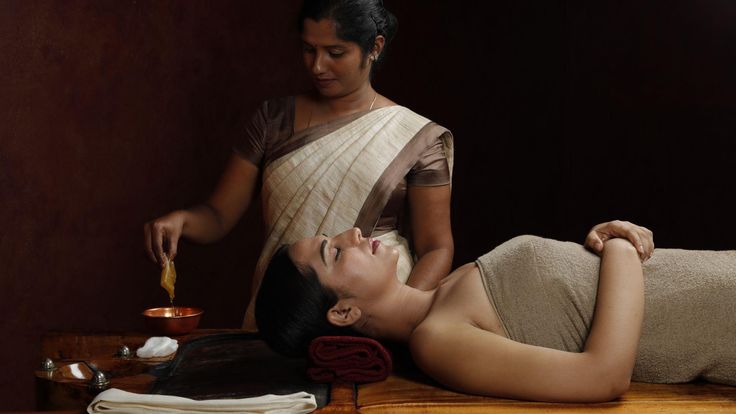
The Big Question Many Ayurveda Seekers Ask
Every year, thousands of people from across the world — Europe, the Americas, Australia, the Middle East — pack their bags and fly thousands of miles to India. Not for the Taj Mahal. Not for the beaches of Goa. But to sit quietly in an Ayurvedic centre, surrender to ancient healing rituals, and emerge feeling like a completely different person.
The question many of them wrestled with before booking that flight: Is it really worth it?
Can’t I just find a good Panchakarma centre closer to home? Is the India experience truly different — or is it just romanticised? Is it safe? Is it authentic? Will it actually work?
If you’ve been sitting on the fence asking yourself these very questions, this blog is for you. Let’s cut through the noise and give you an honest, grounded answer.
What Makes India the Birthplace of Panchakarma
Panchakarma is not a spa menu. It is not a detox trend. It is a 5,000-year-old classical system of therapeutic purification documented in the ancient Ayurvedic texts — the Charaka Samhita and Sushruta Samhita. The word itself means “five actions” — five systematic procedures designed to eliminate deep-rooted toxins (ama) from the body and restore the balance of the three doshas: Vata, Pitta, and Kapha.
India is not just where Panchakarma was born — it is where it never stopped evolving, being practised, debated, and refined through an unbroken lineage of Ayurvedic physicians (Vaidyas) across generations.
Here's what sets India apart:
- Living Tradition: Unlike countries where Ayurveda was imported in the last few decades, India has families and Gurukuls where Ayurvedic knowledge has been passed down for centuries — from father to son, from teacher to student — without interruption.
- Authentic Raw Materials: The herbs, medicated oils (taila), herbal ghees (ghrita), and formulations used in classical Panchakarma are grown, processed, and prepared in India according to traditional Shastra guidelines. The potency of these ingredients sourced from their native soil is simply unmatched.
- Qualified Vaidyas: India has government-recognised Ayurvedic medical colleges offering the BAMS (Bachelor of Ayurvedic Medicine and Surgery) degree — a rigorous 5.5-year programme. The country produces thousands of qualified Ayurvedic doctors annually who specialise in classical Panchakarma protocols.
- Classical Protocols, Not Diluted Versions: In many countries, what is labelled “Panchakarma” is often a series of relaxation massages. In authentic Indian centres, the full classical protocol involves a carefully staged process — Purvakarma (preparatory procedures), Pradhanakarma (the core five therapies), and Paschatkarma (post-treatment rejuvenation) — all supervised by a qualified Vaidya.
- The Right Climate: India’s tropical climate, especially in Kerala, Karnataka, and South India, supports Panchakarma beautifully. The humidity aids in better absorption of oils, and the environment itself is conducive to healing.
Authenticity vs Ayurveda Tourism
Let’s be honest — not everything calling itself “Panchakarma” in India is the real thing. India’s Ayurveda industry has grown enormously, and with it has come a wave of luxury resorts, hotel spas, and tourist-facing centres that borrow the language of Ayurveda without the rigour behind it. You may get a relaxing oil massage with fragrant herbs — pleasant, certainly — but that is not classical Panchakarma.
True Panchakarma involves:
- A detailed Prakriti (body constitution) and Vikruti (current imbalance) assessment by a qualified Vaidya
- A personalised treatment protocol — not a fixed package
- Strict dietary guidelines (Pathya) throughout the treatment
- Medicated oil preparations chosen specifically for your constitution and condition
- Rest, restricted activity, and close medical supervision
- A defined duration — typically 14, 21, or 28 days — not a single-session “detox”
The distinction matters enormously. Authentic Panchakarma is transformative. A diluted version is merely a holiday with some herbal oils. This is precisely why choosing the right centre in India is everything — and why simply being in India is not enough on its own.
Benefits of Going to India for Panchakarma
For those who do find the right centre and commit to a genuine Panchakarma programme, the benefits reported — both clinically documented and experientially described — are profound.
- Deep Cellular Detoxification — Panchakarma works at a level that no juice cleanse or modern protocol approaches. The oleation (Snehana) and sudation (Swedana) processes mobilise toxins stored deep within tissues, preparing them to be eliminated through the body’s natural channels.
- Management of Chronic Conditions — Ayurvedic Panchakarma has shown significant results in managing conditions like arthritis, spondylosis, digestive disorders, hormonal imbalances, skin conditions, neurological issues, insomnia, and chronic fatigue.
- Reset of the Nervous System — The treatments — particularly Shirodhara, Abhyanga, and Nasya — have a profound effect on the nervous system, addressing stress, anxiety, and mental fatigue at a root level.
- Weight Regulation — Not weight loss in the superficial sense — but a genuine recalibration of metabolic function, digestion, and fat tissue (Meda Dhatu), leading to sustainable changes.
- Rejuvenation and Anti-Ageing — The Rasayana protocols followed after Panchakarma actively nourish and rebuild tissues, slow cellular degeneration, and restore vitality in ways that are deeply felt.
- The Immersive Advantage — Travelling to India removes you entirely from your routine, your stress triggers, your dietary habits, and your environment. This removal is itself therapeutic. Your only job is to heal.
Safety and Quality Standards
A legitimate concern — and one you should absolutely investigate before travelling. India’s Ayurvedic sector is regulated by the Ministry of AYUSH (Ayurveda, Yoga & Naturopathy, Unani, Siddha, and Homeopathy), which sets standards for practitioners, formulations, and clinical practice. Reputable Panchakarma centres operate with qualified BAMS or MD (Ayurveda) physicians on staff and follow classical protocols.
What to look for in terms of safety:
- All treatments must be supervised and prescribed by a qualified Vaidya, not merely performed by therapists
- Medicated oils and preparations should come from GMP-certified Ayurvedic pharmacies
- The centre should conduct a thorough health history and contraindication screening before beginning any procedure
- Certain procedures (like Virechana — purgation, or Basti — enema therapy) require careful medical supervision and should never be casually offered
- Reputable centres will not perform Panchakarma on individuals with specific contraindications and will refer appropriately
If a centre is willing to start Panchakarma on you without a consultation, without understanding your health history, and without a customised protocol — that is a red flag. The right centre puts your safety before the experience.
How to Choose the Right Panchakarma Centre in India
This is the most critical decision you will make in this entire journey.
- Classical Credentials — The centre should have qualified Ayurvedic physicians — ideally BAMS and preferably MD (Ayurveda) — heading the clinical team. Ask directly about the qualifications of the doctor who will be treating you.
- Customisation Over Packages — Authentic Panchakarma is never a fixed package. If a centre is selling “14-day detox packages” with a fixed list of treatments regardless of who you are, be cautious. Your treatment should be designed around your constitution, your condition, and your goals.
- Reputation and Lineage — Look for centres with genuine lineage — those that have been practising classical Ayurveda for decades, or those affiliated with recognised Ayurvedic institutions. Patient testimonials and documented outcomes are positive indicators.
- Transparency in Formulations — The centre should be able to tell you exactly which medicated oils and preparations they use, and where they source them from. Classical formulations from reputable pharmacies are markers of seriousness.
- The Environment of Healing — Panchakarma requires rest, quiet, and simplicity. The ideal setting is calm, clean, and free of distractions. You should feel supported to rest, not pressured to socialise or sightsee.
- Post-Treatment Guidance — A responsible centre provides detailed Paschatkarma (post-treatment) dietary and lifestyle guidelines to maintain and build on the results of your Panchakarma.
What to Prepare Before Travelling
Going to India for Panchakarma is not like booking a holiday. A little preparation on your end ensures the treatment works at its full potential.
- Medical History Documentation — Prepare a detailed summary of your health history — current conditions, past surgeries, medications, allergies, and any diagnostic reports. Share these with your chosen centre before you arrive.
- Gradual Dietary Transition — In the weeks before your departure, begin moving towards a simpler, lighter diet. Reduce processed foods, alcohol, caffeine, and heavy non-vegetarian meals. This prepares your digestive system and makes the transition into the Panchakarma diet smoother.
- Mental Preparation — Panchakarma is not a passive experience. You may go through emotional releases, fatigue, and what feels like temporary worsening before improvement. Going in with openness, patience, and willingness to surrender to the process makes an enormous difference.
- Duration Commitment — Do not plan a 7-day Panchakarma and expect classical results. Commit to a minimum of 14 days, ideally 21 days. The processes of oleation, sudation, and elimination take time.
- Practical Arrangements — Pack light, comfortable cotton clothing. Carry any ongoing prescription medications. Ensure your travel insurance covers the duration of your stay. Arrange a low-activity itinerary — Panchakarma requires rest, not sightseeing.
- Communicate Openly with Your Vaidya — Once you arrive, be completely honest with your treating physician about everything — your symptoms, your habits, your concerns. The quality of your treatment depends significantly on the quality of information your Vaidya has.
Conclusion — It's Worth It, If It's Done Right
So — is travelling to India for Panchakarma worth it?
If you find an authentic centre, a qualified Vaidya, and commit to the full process — absolutely yes.
India offers something no other country in the world currently can: the complete, unbroken, living tradition of classical Panchakarma, practised with the right herbs, the right oils, the right protocols, and the right knowledge. The results that people experience — not in a single session, but through a committed classical programme — are genuinely life-changing for many.
But the operative phrase is done right. Panchakarma done right is transformative. Panchakarma done carelessly is at best ineffective, at worst harmful.
The journey begins not when you board the flight — but when you choose wisely where you’re going, who will treat you, and how seriously you’re willing to commit to the process.
How BookMyVeda Will Help You
Navigating India’s vast Ayurvedic landscape — sorting the authentic from the commercial, the qualified from the unqualified — is no small task, especially from thousands of miles away. That is exactly where BookMyVeda steps in.
BookMyVeda is a curated platform built specifically to connect people seeking classical Panchakarma with verified, authentic Ayurvedic centres across India. Every centre listed on BookMyVeda is assessed for the presence of qualified Vaidyas, adherence to classical protocols, quality of formulations used, and genuine patient outcomes — not just aesthetics and amenities.
Here’s how BookMyVeda supports your journey:
- Verified Centre Listings — Only centres that meet strict standards of Ayurvedic authenticity are listed. No tourist spas masquerading as Ayurvedic hospitals.
- Personalised Matching — Based on your health concerns, constitution, treatment goals, and preferred location within India, BookMyVeda helps match you with the centre that is genuinely right for you — not just the most popular one.
- Pre-Travel Consultation Support — BookMyVeda facilitates pre-travel consultations with the treating Vaidya, so your protocol can begin to be planned before you even land in India.
- End-to-End Guidance — From helping you understand what to expect, to assisting with treatment planning, documentation, and post-treatment follow-up, BookMyVeda stays with you through the entire journey.
- Transparent Information — No hidden agendas, no paid promotions disguised as recommendations. BookMyVeda’s only goal is to ensure your Panchakarma experience in India is safe, authentic, and genuinely effective.
Your healing journey deserves the same rigour and care as the ancient science behind it. BookMyVeda exists to make sure that’s exactly what you get.
The wisdom of Panchakarma has endured for five millennia because it works. All you need is the right guide to take you there.