
Ayurveda in Modern Life
Why the World is Turning to Ancient Indian Healing
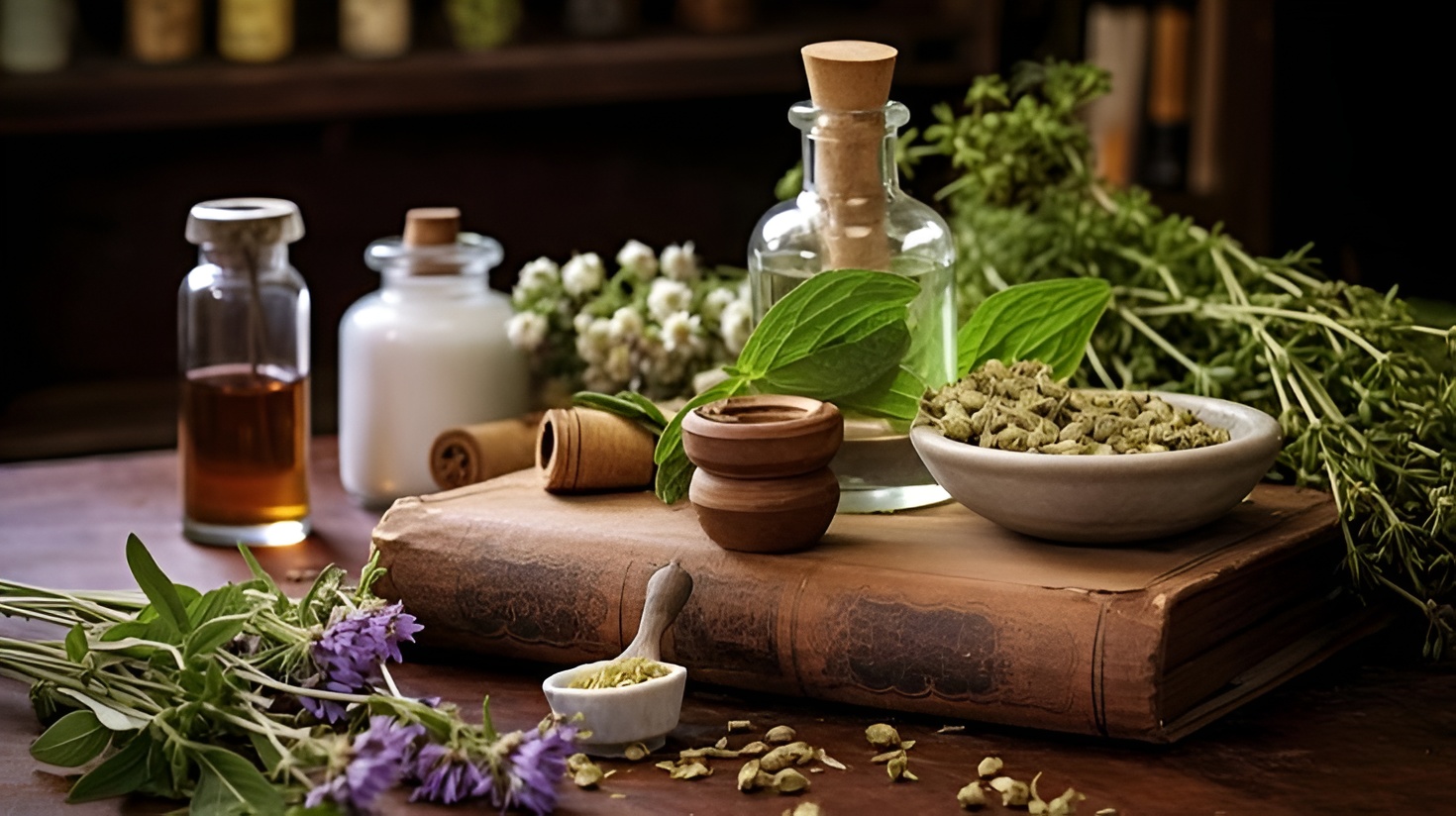
A 5,000-year-old science of life is finding its moment in a world overwhelmed by stress, screens, and chronic disease.
We are living in the age of the wellness awakening
Something has quietly shifted in the way people think about their health. The old model, where you get sick, go to a doctor, take a pill, and hope for the best, is no longer enough. People are waking up to a new reality, where health is not the absence of disease, but a vibrant, sustainable experience of wellbeing.
The world’s wellness industry is a $5.6 trillion business, and yoga studios outnumber fast-food chains, and meditation apps have hundreds of millions of downloads. And at the center of it all? A newfound interest in the healing traditions that have been around for thousands of years, first and foremost, Ayurveda.
“The body is not a machine to be repaired. It is a garden to be tended.”
The science of life, decoded
Ayurveda, a 5,000-year-old system of traditional medicine, is a holistic system of healing that originated in the Indian subcontinent. It is one of the oldest forms of medicine, preceding Greek medicine.
Essentially, Ayurveda is based on a very simple yet fundamental philosophy: “Each person is a unique blend of five elements – earth, water, fire, air, and space – and is comprised of three life forces or doshas.”
Vata
Air & Space
Governs movement, creativity, and the nervous system.
AIR · SPACE
Pitta
Fire & Water
Rules digestion, metabolism, and intelligence.
FIRE · WATER
Kapha
Earth & Water
Provides structure, immunity, and stability.
EARTH · WATER
According to Ayurvedic philosophy, disease is not an accident, but an imbalance in the body, and if you balance it with food, herbs, lifestyle, sleep, and breathing, your body heals itself. It is not a treatment of a disease, but a treatment of a person.
The gaps modern medicine cannot fill
Modern medicine is a wonder. It saves lives, prevents infections, and performs surgical miracles. But modern medicine also has a blind spot. It’s very good at managing disease, but not very good at creating health in the long term.
Chronic diseases, or lifestyle diseases, such as type 2 diabetes, obesity, hypertension, IBS, anxiety, and burnout, are growing exponentially worldwide. These are not infectious diseases that can be cured by a pill. These are the results of the way in which we eat, sleep, move our bodies, and think. Modern medicine can alleviate the symptoms. Ayurveda wants to know why the disease occurred in the first place.
And modern medicine is also a reactive system. You are healthy until you are sick. Ayurveda wants to create a constitution that’s so robust that there’s no room for disease to occur.
Ancient solutions for 21st-century problems
The coincidence is intriguing: a system that is 5,000 years old is remarkably well-suited to meet the defining health challenges of the 21st century.
Chronic Stress & Burnout
Adaptogenic herbs like Ashwagandha and Brahmi regulate the nervous system and cortisol response.
Poor Gut Health
Ayurvedic nutrition puts digestive fire (Agni) at the centre — long before the microbiome was a concept.
Sleep Disorders
Abhyanga (oil massage), herbal teas, and circadian rhythm alignment are Ayurveda’s sleep architecture.
Inflammation
Turmeric, neem, and Triphala are potent anti-inflammatories now validated by modern research.
Skin & Hair Concerns
Personalised routines based on dosha type address root causes rather than surface symptoms.
Mental Fog & Anxiety
Pranayama, meditation, and a Sattvik diet restore mental clarity and emotional balance.
From Kerala to California: The global resurgence of Ayurveda
The global spotlight on Ayurveda has been building for decades. Several factors are now coming together to take Ayurveda into the mainstream:
Celebrity and cultural influence – from pioneering wellness advocates spreading Ayurvedic wisdom in the West to global entertainers and public figures openly sharing their holistic health regimens, this ancient science has found itself a powerful wave of influential champions who have brought it from traditional households into mainstream global consciousness.
Dissatisfaction with pharmaceutical dependencies – as the side effects of conventional drugs become increasingly burdensome, people are turning to gentler, more holistic approaches backed by centuries of empirical evidence.
Side Effects of Modern Medicine
Modern medicines, while highly effective, come with a range of side effects. Antibiotics can disrupt gut bacteria, leading to digestive issues like diarrhea and bloating. Painkillers such as ibuprofen and aspirin can cause stomach ulcers and kidney damage with prolonged use. Steroids lead to weight gain, bone thinning, and hormonal imbalances. Antidepressants often cause sleep disturbances, sexual dysfunction, and emotional numbness. Chemotherapy, while life-saving, destroys healthy cells alongside cancerous ones, causing hair loss, fatigue, and a weakened immune system. Blood pressure medications can trigger dizziness, fatigue, and electrolyte imbalances. Many modern drugs also carry risks of dependency and addiction, particularly opioids and benzodiazepines. Long-term use of most pharmaceuticals puts significant stress on the liver and kidneys, which are responsible for filtering these chemicals out of the body.
How Ayurveda Helps
Ayurveda offers a natural and holistic alternative that addresses the root cause of illness rather than just suppressing symptoms. Some key benefits include:
No Harsh Side Effects — Ayurvedic herbs like ashwagandha, turmeric, and triphala are gentle on the body and rarely cause adverse reactions when used correctly.
Gut Health — Unlike antibiotics, Ayurvedic treatments actively support digestive health through herbs, probiotics, and dietary guidance, recognizing the gut as the center of overall wellness.
Chronic Disease Management — Conditions like arthritis, diabetes, and skin disorders often respond well to Ayurvedic treatment over time, without the organ stress caused by long-term pharmaceutical use.
Mental Wellness — Practices like Shirodhara, herbal adaptogens, and meditation naturally reduce stress, anxiety, and depression without the side effects of antidepressants.
Immunity Boosting — Herbs like giloy, tulsi, and amla are well known for strengthening the immune system naturally and sustainably.
Detoxification — Panchakarma, Ayurveda’s signature detox therapy, cleanses the body of toxins deeply and holistically, something modern medicine has no real equivalent for.
Personalized Treatment — Ayurveda tailors treatment to your unique body type (dosha), making it far more individualized than the one-size-fits-all approach of many modern drugs.
In essence, Ayurveda shines brightest in prevention, chronic care, and overall lifestyle wellness — making it a powerful complement to modern medicine rather than a replacement for it.
The pandemic effect – immunity became a mainstream preoccupation during the pandemic, and Ayurveda, with its intense focus on immunity, found itself a highly relevant and engaged audience. The Indian Ministry of AYUSH found that there was a dramatic increase in demand for Tulsi, Giloy, and Ashwagandha during 2020-21.
Digital democratisation – Ayurvedic wisdom, previously restricted to ancient texts and family traditions, is now available to a global audience through apps, YouTube, and international practitioners.
When ancient wisdom passes the lab test
For a long time, Ayurveda was considered a form of folk medicine and was not taken seriously in the scientific community. However, things are changing very fast, and the claims of Ayurvedic medicine are being supported scientifically, as they have been for thousands of years
CURCUMIN (TURMERIC)
Over 12,000 published studies confirm its anti-inflammatory and anti-cancer properties, making it one of the most researched natural compounds in history.
ASHWAGANDHA
Multiple RCTs demonstrate its efficacy in reducing cortisol, anxiety, and improving VO2 max — verified by modern endocrinology.
OIL PULLING
Studies confirm its effectiveness in reducing oral bacteria and plaque, comparable to chlorhexidine mouthwash.
CIRCADIAN EATING (DINACHARYA)
Ayurveda’s insistence on eating with the sun is confirmed by chrono-nutrition science — meal timing profoundly affects metabolic health.
The WHO has also recognized traditional medicine systems, including Ayurveda, as an integral part of the global healthcare system, as per the WHO’s ‘Traditional Medicine Strategy 2025-2034.
Your Ayurveda Journey Starts Here — with Bookmyveda
Knowing about Ayurveda is one thing. Living it is another. The biggest challenge most people face is not a lack of intention — it is a lack of access. Where do I go? Which retreat is authentic? Which hospital truly practises classical Ayurveda and not just a spa version of it?
That is exactly the gap Bookmyveda was built to close. We are India’s trusted platform for booking authentic Ayurvedic treatments at verified retreats and hospitals — handpicked, vetted, and tied up with us so that your experience is genuine, safe, and transformative.
Whether you are seeking a Panchakarma detox, a stress-relief retreat, treatment for a chronic condition, or simply your first Ayurvedic consultation — Bookmyveda connects you to the right place, with the right practitioners, at the right time. No guesswork. No compromise on quality.
Ancient wisdom has never been more relevant. And with Bookmyveda, it has never been more accessible.
Your body has been waiting for this –
Book your healing today at Bookmyveda.
Lorem ipsum dolor sit amet, consectetur adipiscing elit. Ut elit tellus, luctus nec ullamcorper mattis, pulvinar dapibus leo.
Lorem ipsum dolor sit amet, consectetur adipiscing elit. Ut elit tellus, luctus nec ullamcorper mattis, pulvinar dapibus leo.
Lorem ipsum dolor sit amet, consectetur adipiscing elit. Ut elit tellus, luctus nec ullamcorper mattis, pulvinar dapibus leo.
Lorem ipsum dolor sit amet, consectetur adipiscing elit. Ut elit tellus, luctus nec ullamcorper mattis, pulvinar dapibus leo.
Lorem ipsum dolor sit amet, consectetur adipiscing elit. Ut elit tellus, luctus nec ullamcorper mattis, pulvinar dapibus leo.
Lorem ipsum dolor sit amet, consectetur adipiscing elit. Ut elit tellus, luctus nec ullamcorper mattis, pulvinar dapibus leo.
Lorem ipsum dolor sit amet, consectetur adipiscing elit. Ut elit tellus, luctus nec ullamcorper mattis, pulvinar dapibus leo.
Lorem ipsum dolor sit amet, consectetur adipiscing elit. Ut elit tellus, luctus nec ullamcorper mattis, pulvinar dapibus leo.