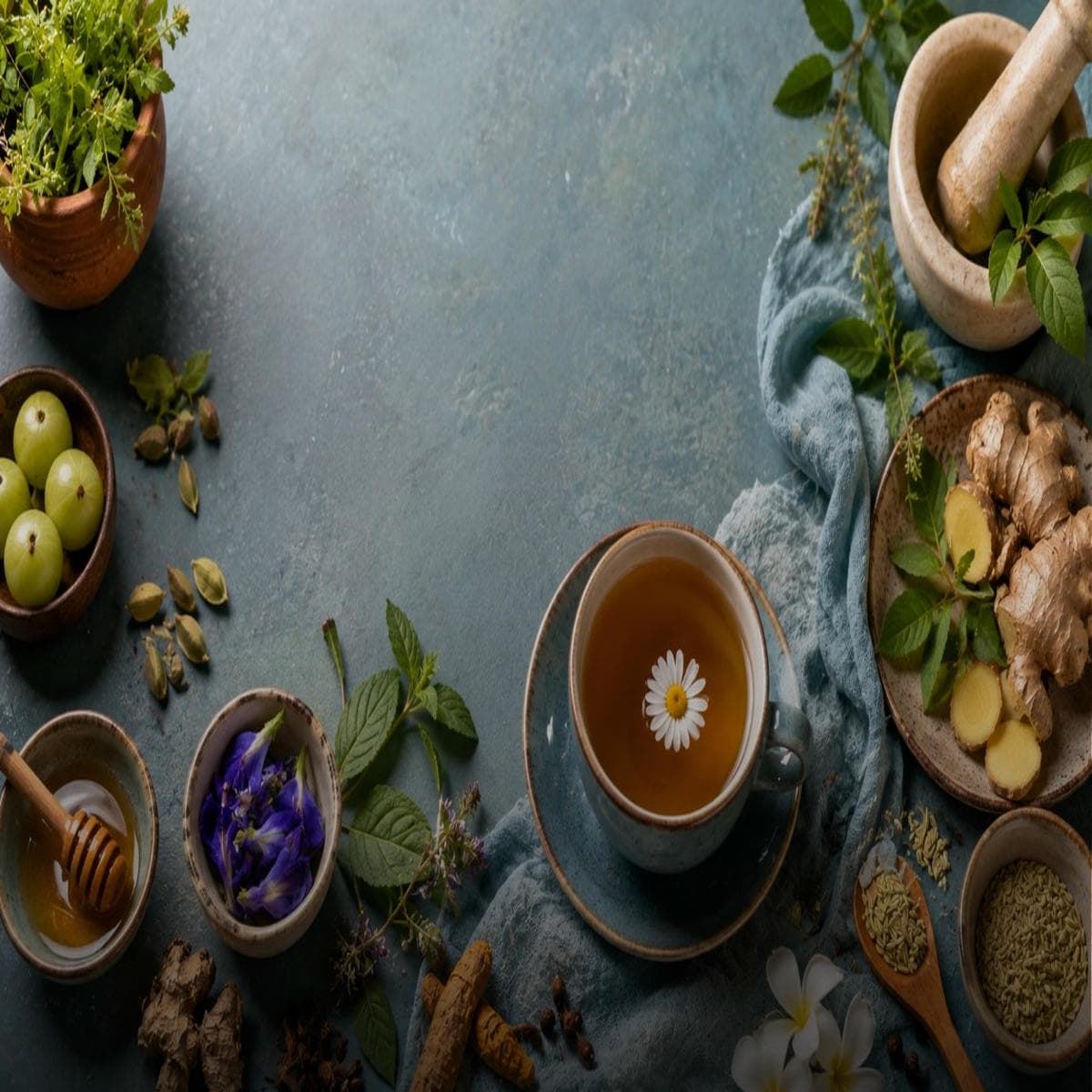





Something shifts when the monsoon arrives. Your body knows it before your mind does. The air changes. The heat breaks. The smell of wet earth arrives before the first drop even falls. And if you pay attention, your body begins to behave a little differently too. Maybe your digestion feels slower. Maybe your joints are stiffer in the morning. Maybe you are craving warm food and sleep a little more than usual.
None of this is coincidence. Your body is responding to a seasonal shift the same way it has for thousands of years. Ayurveda understood this long before modern medicine had a framework for it. The ancient texts describe the monsoon season, called Varsha Ritu, as one of the most significant transitions in the annual cycle — not just a change in weather but a change in how the body processes, heals, and absorbs. Far from seeing this as a time to simply protect yourself from the rain, Ayurveda considers the monsoon one of the most powerful windows for genuine healing and seasonal reset.
Why Monsoon Is Ayurveda's Favourite Season for Healing
In Ayurveda, the year is divided into seasonal cycles called Ritucharya. Each season brings its own qualities, its own demands on the body, and its own opportunities for care. The monsoon season sits at a particularly interesting point in this cycle.
Summer builds heat in the body. Pitta, the fiery dosha that governs metabolism and transformation, accumulates through the hot months. By the time the rains arrive, the body is carrying this accumulated heat and is ready to release it. The cooling, moist quality of the monsoon creates the ideal conditions for that release.
At the same time, Vata, the dosha of movement and air, becomes naturally aggravated during the monsoon. The wind, the unpredictability of the weather, the cooler temperatures — all of these increase Vata's influence. This is why joint stiffness, digestive irregularity, anxiety, and dry skin are all common monsoon complaints. They are not random. They are Vata speaking.
Understanding this gives you the map. The job during monsoon is to release accumulated Pitta, keep Vata balanced, and use the season's natural qualities to reset the body from the inside out.
Seasonal living is not a trend. It is the oldest form of preventive medicine there is.
Digestion During Monsoon Needs Your Full Attention
The digestive fire in Ayurveda is called Agni. It is not just a metaphor — Agni governs how effectively your body processes everything it takes in: food, emotions, experience. When Agni is strong, everything flows. When it is weak, things accumulate and cause problems.
Monsoon weakens Agni. The heaviness and humidity in the air directly affect the body's digestive capacity. This is why you might find yourself feeling bloated after meals that never bothered you before, or why your appetite seems less reliable than usual. Your digestive fire has literally been dampened by the season. The good news is that supporting your Agni during monsoon is entirely possible with a few consistent choices.
- Eat warm, freshly cooked food. This is the single most important dietary shift for monsoon. Cold food, raw salads, and refrigerated leftovers ask the body to work harder than it comfortably can during this season.
- Eat your largest meal at midday. Digestive fire is strongest when the sun is at its peak. Even during monsoon, the midday window is when your body is best equipped to process a proper meal. Evening meals should be light and early.
- Use digestive spices generously. Ginger, cumin, coriander, turmeric, and black pepper are your monsoon allies. A simple ginger tea before meals is one of the oldest and most effective digestive supports in Ayurvedic practice.
- Stay away from heavy, oily, or fermented foods. These are difficult to digest even in good conditions. During monsoon, when Agni is already working at a lower capacity, they create the kind of accumulation that can linger well beyond the season.
The monsoon does not weaken your body. It simply asks you to support it differently.
Immunity — Why Monsoon Is When It Needs the Most Support
The monsoon creates conditions that are wonderful for plants and genuinely challenging for the immune system. Humidity, standing water, temperature fluctuations, and the proliferation of bacteria and pathogens all come together in a way that places real demand on the body's defences. Ayurveda's approach to monsoon immunity is not about reacting to illness — it is about building resilience before it is needed.
- Tulsi is non-negotiable. A warm cup of Tulsi tea each morning supports respiratory health, strengthens immunity, and has natural antimicrobial properties.
- Triphala supports the body's natural cleansing. Taken in warm water before bed during monsoon, this three-fruit formulation supports digestion, gentle detox, and overall resilience.
- Ashwagandha builds the strength the season depletes. This adaptogen regulates the nervous system, supports energy levels, and helps counter the scattered, anxious feeling Vata aggravation can bring.
- Keep yourself warm and dry. Wet hair, damp clothing, and exposure to cold winds disturb the body's internal balance in ways that accumulate over time.
Joint Care During Monsoon
For people who already have tendencies toward joint pain, stiffness, or arthritis, monsoon is the season that makes this most apparent. Vata governs the joints, and when Vata is aggravated by the cold and wet of the rainy season, the joints are often the first place it shows up. The Ayurvedic approach here is warm, oily, and consistent.
Abhyanga
Warm sesame oil self-massage on the joints and lower back improves circulation and eases morning stiffness.
Kati Basti
Warm medicated oil held over the lower back — one of the most effective therapies for sciatic and back flare-ups.
Gentle Movement
Yoga, slow walks, and stretching keep Vata's favourite complaint — stiffness — from setting in.
Daily Routine Shifts That Make a Real Difference
MORNING
Wake before sunrise when possible. Warm water with ginger and lemon to start the day. Abhyanga before your bath, even briefly. Pranayama or gentle yoga to settle Vata. A warm, freshly cooked breakfast.
EVENING
Eat early and light, before 7pm ideally. Avoid screen time in the hour before bed. A warm cup of Tulsi or nutmeg milk supports sleep. Triphala in warm water before bed. Keep feet warm and dry before sleeping.
Monsoon Is the Ideal Time for Panchakarma
This is something most people do not know coming in. In Ayurveda, the monsoon season is considered the optimal time for Panchakarma, the classical detoxification and rejuvenation therapy — and there is a specific reason for this.
During monsoon, the body's pores are naturally open due to the moisture in the air. This makes the skin and tissues significantly more receptive to the medicated oils and herbal preparations used in Panchakarma therapies. The same treatment delivered during monsoon penetrates more deeply and works more effectively than it would in the dry heat of summer.
Ayurvedic texts specifically recommend Panchakarma in Varsha Ritu for this reason. The accumulated heat of summer is ready to be released, the tissues are receptive, and the cooling, grounding quality of the season supports the rest and restoration that Panchakarma requires. For anyone who has been considering a Panchakarma retreat, monsoon is genuinely the best time to do it.
A Few Practical Things to Carry Through the Entire Season
Not everything needs to be dramatic. Some of the most effective monsoon wellness practices are the smallest and most consistent ones: drink only warm or room-temperature water, carry an umbrella but also a small towel, keep ginger in your kitchen at all times, sleep and wake at consistent times, and eat your meals at regular intervals without skipping breakfast. And spend a little time outside in the rain when it is gentle and you are warm enough — the monsoon is beautiful, and part of taking care of yourself in it is actually being present in it.
The season is not something to survive. It is something to live in, with a little more awareness than usual.