



Stress is no longer a seasonal visitor. For millions of people, it has become the baseline - a persistent hum of overwhelm that modern medicine addresses mainly through medication management.
Ayurveda takes a different approach. For over 5,000 years, it has recognized stress not as a psychological failing but as a physiological disturbance in the body's core intelligence - and it works, systematically, to restore that intelligence rather than simply suppress the symptom.
Modern medicine names your anxiety. Ayurveda asks what disturbed your inner stillness - and then works to restore it.
How Ayurveda Understands Stress and Anxiety
In Ayurvedic terms, chronic stress is primarily a Vata disorder. Vata governs movement - physical, neurological, and mental. When Vata becomes aggravated, the mind races, sleep fragments, and the nervous system stays locked in overdrive. This isn't metaphor - modern neuroscience increasingly confirms what Ayurveda observed millennia ago about chronic activation of the stress response.
Charaka Samhita, one of Ayurveda's foundational texts, describes Prajnaparadha - "the crime against wisdom" - as the root cause of most disease. The Ayurvedic approach operates on three levels simultaneously: calming the aggravated dosha, removing accumulated toxins (ama), and rebuilding the nervous system's resilience.
Recognizing Your Pattern
Vata Anxiety
Racing thoughts, insomnia (especially waking 2-4am), physical restlessness, digestive irregularity, fear and scattered focus.
Pitta Anxiety
Anger and irritability masking fear, perfectionism, hyperacidity, waking 10pm-2am unable to relax, competitive drive until collapse.
Kapha Anxiety
Depression and heaviness, oversleeping yet chronic fatigue, emotional eating, congestion, resistance to change.
Shirodhara - The Oil Stream That Silences the Mind
Among Ayurvedic therapies for stress and anxiety, Shirodhara is one of the most well-known and deeply calming. A continuous, gentle stream of warm medicated oil flows across the forehead, producing effects that most people describe as the first time in years their mind has genuinely stopped.
It's known for addressing chronic anxiety and racing thoughts, disturbed sleep cycles, post-traumatic stress and emotional exhaustion, hypertension and psychosomatic headaches, and burnout in high-performing individuals. The choice of oil matters significantly - Brahmi taila calms Vata anxiety, while other formulations suit different presentations. Typically administered over 7-14 consecutive days, paired with dietary and lifestyle guidance.
Abhyanga - The Daily Medicine Your Nervous System Is Starved Of
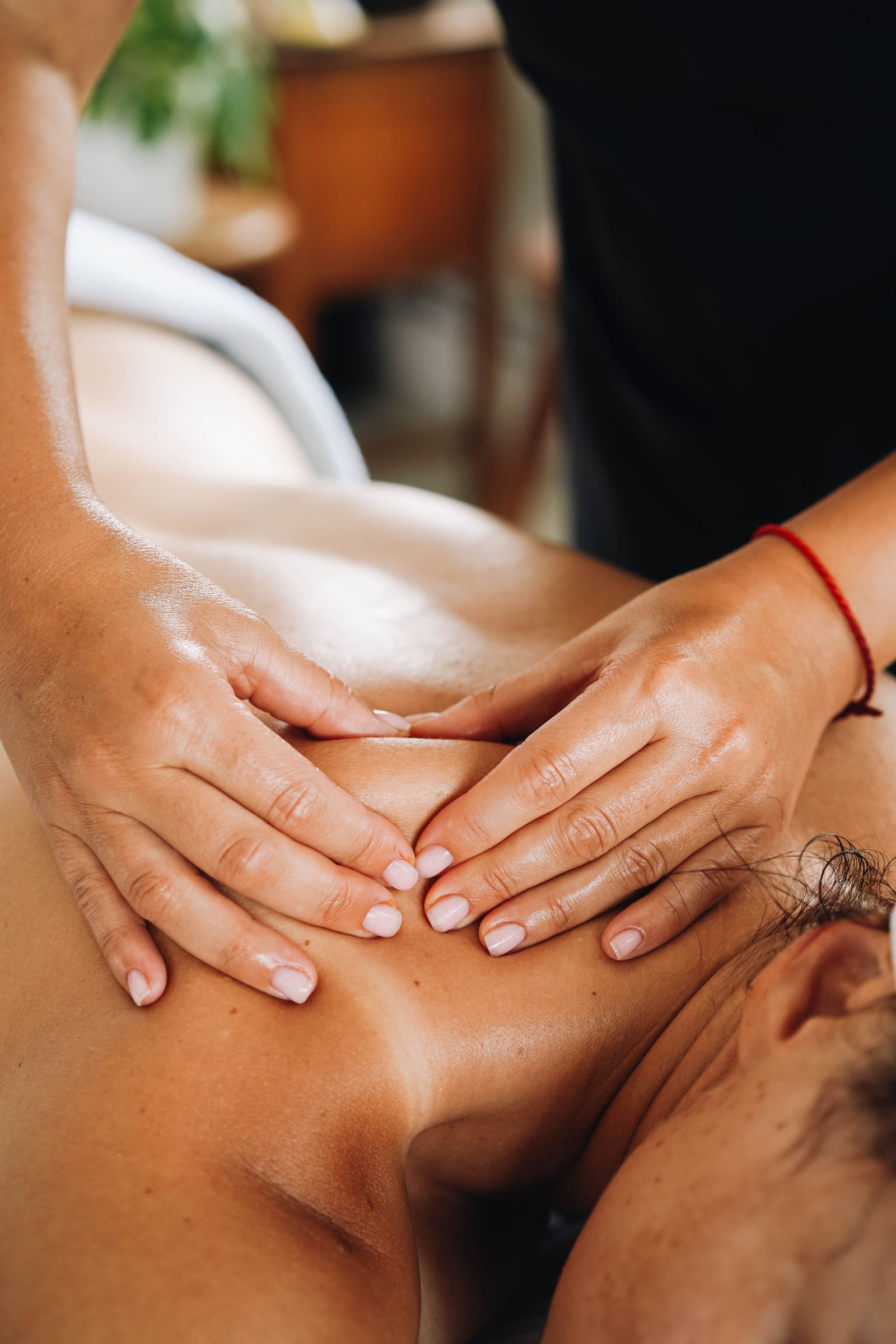
Touch deprivation is a real physiological stressor in modern life. Abhyanga is not massage in the conventional sense - the Sanskrit root "anga" means limb, "abhi" means into or toward. The intention is to move medicated oil deep into tissue, not just relax muscles.
It addresses nervous system hypersensitivity and chronic fight-or-flight activation, physical manifestations of anxiety like jaw clenching and chest tightness, lymphatic stagnation, and adrenal fatigue. Abhyanga done by two therapists simultaneously (Dwi-hasta technique) is particularly effective for severe anxiety. Research published in the Journal of Alternative and Complementary Medicine found a single Abhyanga session significantly reduced salivary cortisol.
Panchakarma - When Stress Has Gone Deeper Than the Surface
Shirodhara and Abhyanga bring profound relief. But if stress has accumulated for years - manifesting as chronic anxiety, hormonal disruption, or long-term medication dependency - Panchakarma works at the tissue level, not just the surface.
Stress Reset
For burnout and early-stage anxiety - a genuine reset, not a shortcut.
Most Conditions
Recommended for chronic anxiety, long-standing insomnia, and stress-related digestive disorders.
Deep Restoration
For clinical anxiety, depression, PTSD, or conditions unresponsive to other treatment.
Important: Panchakarma for severe mental health conditions is always undertaken alongside - never instead of - your existing medical care. Never stop psychiatric medication abruptly without medical supervision.
Yoga - The Sister Science That Completes the Healing
Ayurveda and Yoga are sister sciences, designed to work together. If Ayurveda clears and restores the body, Yoga trains the mind to stay regulated. The dynamic, fitness-oriented classes common in the West can actually aggravate Vata-type anxiety - the right practice matters as much as practicing at all.
Nadi Shodhana (alternate nostril breathing) balances both brain hemispheres and regulates the autonomic nervous system. Yoga Nidra induces the hypnagogic state between waking and sleep. Bhramari (humming bee breath) activates the vagus nerve directly. For Vata-dominant anxiety, avoid hot yoga, vigorous Vinyasa, and long-held inversions - these increase Vata rather than calm it.
Five Myths About Ayurveda for Mental Health
- Myth: It's just relaxation therapy. Shirodhara and Abhyanga feel deeply relaxing, but they produce measurable physiological effects on cortisol and the autonomic nervous system.
- Myth: You must stop your medication first. Never stop psychiatric medication abruptly. Qualified vaidyas work alongside your existing care.
- Myth: One session is enough. A single Shirodhara can be profoundly calming, but sustained change requires a full course, typically 7-21 days.
- Myth: The "healing crisis" means something is wrong. During Panchakarma, toxins mobilize before they eliminate - this can temporarily intensify symptoms, and is normal and expected.
- Myth: Diet doesn't matter if you're getting treatment. In Ayurveda, food is medicine - the wrong food can directly undo treatment's effects.
Questions to Ask Before You Begin
- Will I have an initial consultation with a qualified vaidya who customizes treatment to my history?
- Are the oils used in Shirodhara and Abhyanga medicated, or plain carrier oils?
- Does the program include Yoga and Pranayama tailored to my dosha, or generic group classes?
- Is dietary protocol included, with a written home-care plan at the end?
- Given my history and medications, which combination and duration do you recommend?
- Is there post-treatment follow-up support after I return home?
At Bookmyveda, every one of these questions has a clear, transparent answer before you book a single session. Anxiety is not your personality - it is your nervous system asking for care it has never received, and Ayurveda knows how to give it.