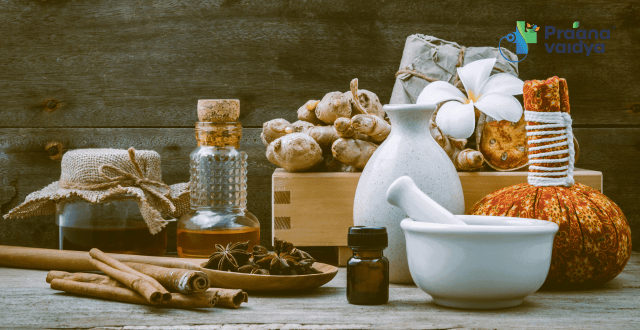





Not a spa trend. Not a juice cleanse. A 5,000-year-old medical system designed to reset your body from the inside out.
Why Detox Is Trending - and Why Panchakarma Is Different
Let's be real - detox is having a moment. Celery juice. Activated charcoal. 72-hour water fasts. Every few months there's a new protocol making the rounds, and every few months people try it, feel okay for a while, and drift back to where they started.
The reason most of these don't stick isn't willpower. It's because they work on the surface. They clean out your gut for a few days but don't touch the deeper tissue - the fat cells, the joints, the nervous system.
A complete Panchakarma treatment works across your digestive system, your lymphatic channels, your nervous system, and your endocrine balance - over 7 to 28 days, depending on what your body actually needs.
What Does Panchakarma Mean?
The name comes from Sanskrit. Pancha means five. Karma means actions - or in this context, therapeutic procedures. Panchakarma literally translates to "the five actions."
Vamana
Virechana
Basti
Nasya
Raktamokshana
Personalised
Not everyone goes through all five - your Vaidya selects based on your specific condition.
Someone with chronic migraines and Pitta dominance will follow a completely different protocol than someone dealing with joint stiffness and a Vata imbalance. Same system, very different treatment plans.
What is "Ama"?
Why do so many people eat reasonably well, exercise occasionally, and still feel perpetually tired, bloated, foggy, or inflamed? Ama is the Ayurvedic term for undigested waste - not just in your gut, but in your tissues. When your digestive fire (agni) is weak or inconsistent, food doesn't metabolise cleanly.
- Inflammatory Load - years of processed food, alcohol, refined carbs, and environmental toxins quietly overloading the liver and gut lining.
- Stress Residue - chronic cortisol elevation from work, screens, and poor sleep disrupts digestion even when the food is clean.
- Lymphatic Sluggishness - sitting for hours and low fibre intake slows the lymph and waste doesn't clear properly.
A coated tongue every morning. Heaviness after meals. Joints that feel stiff before 10am. These are the telltale signs of Ama.
The 3 Stages of Panchakarma
Stage 1: Purvakarma - The Preparation Phase (3-7 Days)
Purvakarma - the preparatory phase - is not optional and it's not just a massage. It's the process of making your body ready to actually release what it's holding. Snehana (Oleation) comes first: medicated ghee taken internally in gradually increasing doses. Swedana (Therapeutic Sweating) follows, with herbal steam therapy opening the body's channels.
Stage 2: Pradhanakarma - The Main Purification Phase (5-21 Days)
This is where the actual purification happens. Vamana is therapeutic emesis, often used for Kapha conditions like chronic sinusitis. Virechana - medicated purgation - is the most widely used procedure, ideal for Pitta-driven conditions. Basti, considered the most powerful of all five procedures, uses medicated enemas especially for Vata. Nasya administers herbal oils through the nostrils for migraines and sinus conditions.
Stage 3: Paschatkarma - The Rejuvenation Phase (7-14 Days)
This is the stage wellness retreats almost never include - and it's arguably where the real transformation happens. Paschatkarma involves a carefully graduated return to food, starting with light rice gruel and moving through richer preparations over 7 days, a protocol called Sansarjana Krama.
Is Panchakarma Safe?
Short answer: yes. When done under the supervision of a qualified Ayurvedic physician, Panchakarma treatment is very safe. The safety concerns usually aren't about the therapy itself - they're about the setting and the person administering it.
- Unqualified Practitioners - your practitioner should be a BAMS-qualified physician, not a massage therapist or wellness coach.
- Resort vs. Clinical Settings - many resort "Panchakarma packages" are really just relaxation treatments with Ayurvedic branding.
- Skipping the Consultation - a proper initial consultation including pulse diagnosis (Nadi Pariksha) is non-negotiable.
- Contraindicated Conditions - Panchakarma is not appropriate during pregnancy, active fever, or for those who are very frail.
Every Panchakarma centre listed on Bookmyveda is vetted for physician credentials, clinical setup, and protocol authenticity.
Who Is an Ideal Candidate for Panchakarma?
One thing that surprises people: you don't need to be unwell to do Panchakarma. In Ayurveda, the ideal time to detox is before disease sets in - as a seasonal reset, usually in spring or early autumn.
Conclusion: Detox as a Reset, Not a Trend
There's a reason Panchakarma has survived 5,000 years while every detox fad from the 1990s has been quietly forgotten. It works because it respects the body - it doesn't try to shock it clean or starve it into submission. Does it take more time than a juice cleanse? Yes. But it also gives back something most wellness programmes never manage: a genuine sense of reset.